

Take your warband to the mean streets of Mordheim to fight for glory and riches
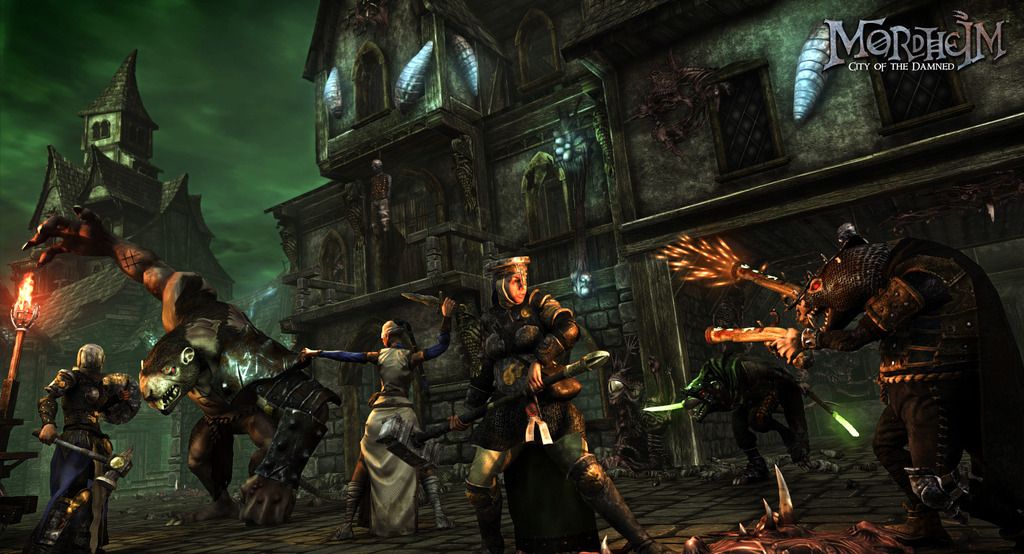
Mordheim: City of the Damned is the first incarnation of the popular table top game Mordheim that has been made into a video game. The title tells you succinctly where the game is set, which is part of the Warhammer World, and has been devastated by a direct hit from a comet. The now virtually deserted city is a battleground for factions of mercenaries and treasure hunters who are all fighting over the chunks or wyrdstone left behind by the comet, valued for its magical energy. In this tactical turn based skirmish game, you assemble your warband of fighters and head into the city on missions to fight rival warbands for the spoils.
On starting the game the best thing to do is head to the extensive tutorials for some guidance on how to play. The first impression however is of information overload with all four corners of the screen filled with an intimidating mass of stats that might be off-putting to some, but if you stick with the tutorials for combat, it becomes clear that the basics of the game aren’t too complicated and you can play without studying all the figures. Whether you can play to win regularly may be another matter however. As is a staple of turn based games, the characters are moved one at a time, and the class of your character determines how far they can move and what attacks they can perform. At the end of each turn its best to leave your character in a certain stance, Dodge, Parry, Ambush or Overwatch, so they are prepared for the oppositions next move against them. The idea of each mission is to wipe out or rout the enemy, while at the same time trying to grab as much treasure as you can and get it back to the chest on your faction’s cart. The game is very tactical as you need to think about your fighters as a team and get them to work together. Each class of character has different strengths and weaknesses, and these also vary across the different factions. For example, the Sisters of Sigmar are very strong in combat, whereas the Skraven are much more mobile and can nip in and grab the precious wyrdstone very quickly. I found Archers to be far too underpowered at the start, inflicting very limited damage and missing a hell of a lot of shots, even at close range.
When you move your character its quite forgiving on one hand as if you change your mind on your direction you can retrace your steps with no loss and move somewhere else. Annoyingly that doesn’t apply when you climb up or jump down from other levels, and you can get frustrated when you leave a character near a doorway with seemingly plenty of room, but find later that it blocks your other characters’ from going past.
Once you’ve got the hang of the combat you turn your attention to how to manage your team between battles. This tutorial section is pretty much screen after screen of text to take in, but the gist of it is like a managing a sports team. You initially have a choice of four factions, Human Mercenaries, Skraven, Sisters of Sigmar, or Cult of the Possessed. You then hire your fighters using the gold from your purse and build a team made of a Leader, Hero, and Henchmen, and head of into battle. There is a certain amount of cosmetic customisation you can do with the appearance of your team, which comes in handy when trying to identify them during the game, and it also helps the player to forge a personal attachment with their characters.
Each faction has its own progression in the offline campaign mode, although they seem to be similar in outcome, but if you fancy a bit more of a random challenge, then take your best fighters online and skirmish against other players.
When a character is defeated in battle, rather than be killed, they are withdrawn from the battlefield, so back at the management stage you need spend some of that precious gold treating their injuries, and don’t forget to pay their wages or they’ll refuse to fight for you at all. All this micromanagement of your warband is great for personalising your team to exactly how you want it but it can be far too easy to get bogged down with all the details when you’d rather be out there fighting.
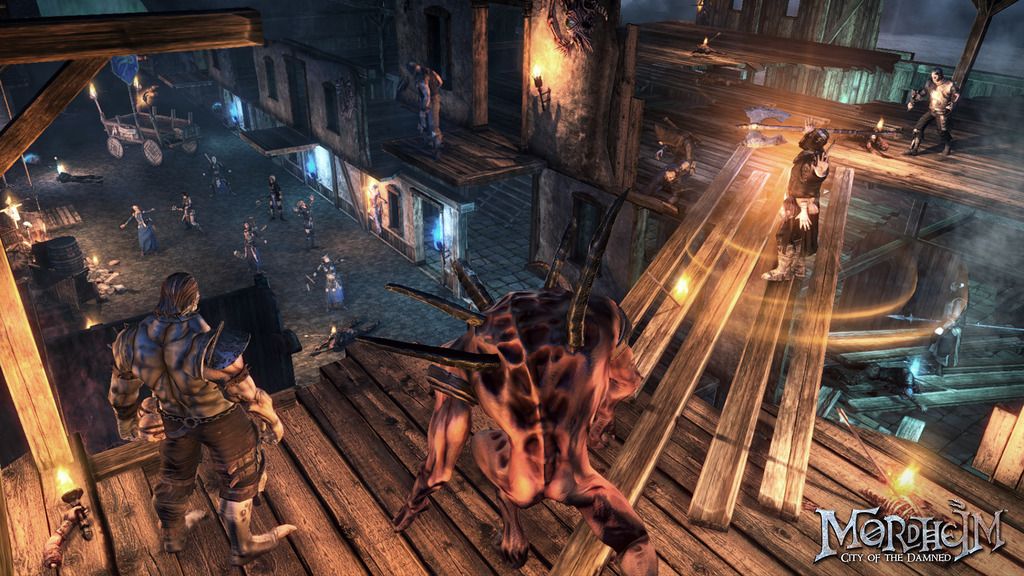
The look of the game is very good, with the actual City itself looking very dark and forboding, giving you a good sense that danger could be lurking around every turn. Although the action is restricted to the city itself, the map is big enough to drop you in different locations for each battle so it doesn’t get repetitive. The characters look great although maybe more could’ve been done to give a bit more variety to the animation, the voice acting is adequate and the soundtrack does a great job in building the atmosphere.
Rogue Factor have done a very good job or replicating this Games Workshop title, but in including all that detail it can be very intimidating to players coming to this kind of thing for the first time. As a newbie I found the learning curve to be very steep and had to endure defeat after defeat before I had built up a warband strong enough to compete. That might put some people off sticking with the game long term but if they do it can be rewarding to play as you become attached to your growing warband. The episodic nature of the battles makes it good a good game to dip into for an hour at a time and with plenty of scope for extra DLC to be introduced this game may have a long life.

Game: Mordheim: City of the Damned
Developer: Rogue Factor
Publisher: Focus Home Interactive
Genre: Turn-based Strategy
Price: £29.99 (from Xbox Store)
A huge Thank-You to Bastion for providing the review copy.